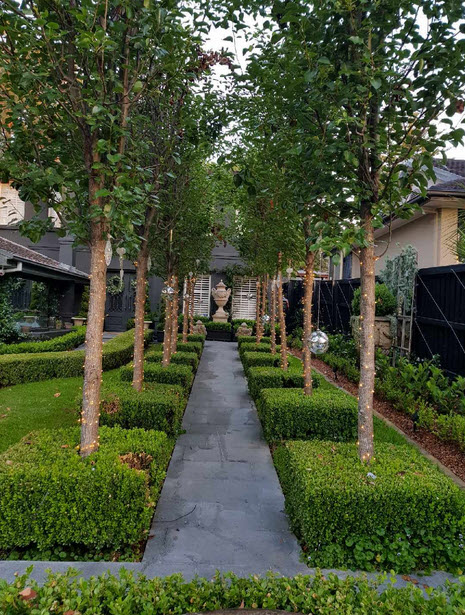
In an era where urban landscapes dominate our surroundings, the concept of re-wilding has emerged as a powerful antidote to the concrete jungle mentality. Garden Makeovers Sydney has become more than just a trend – it's a movement toward creating sustainable, biodiverse spaces that reconnect us with nature's inherent wisdom. The transformation of sterile outdoor areas into thriving ecosystems represents a fundamental shift in how we perceive and interact with our immediate environment.
The Philosophy Behind Re-Wilding Garden Transformations
Re-wilding your garden space involves more than simply planting native species; it's about creating a harmonious ecosystem that supports local wildlife while providing aesthetic and functional benefits for homeowners. Garden Makeovers Sydney are increasingly incorporating this philosophy, moving away from manicured lawns and exotic plantings toward more naturalistic designs that mirror the region's original landscape. This approach not only reduces maintenance requirements but also creates spaces that are inherently more resilient to climate variations and environmental stresses.
The beauty of re-wilding lies in its ability to work with natural processes rather than against them. By selecting indigenous plants that have evolved alongside local fauna, these transformations create habitats for native birds, beneficial insects, and small mammals. SK Landscape has observed that clients who embrace this approach often discover a deeper connection to their outdoor spaces, finding peace in the gentle chaos of natural growth patterns and seasonal changes.
Designing Your Wild Garden Metamorphosis
When planning Best Garden Makeovers in Sydney, the key is to understand your site's unique characteristics – soil type, drainage patterns, sun exposure, and existing microclimates. Rather than fighting these conditions, successful re-wilding projects celebrate them. A boggy corner becomes a wetland garden featuring native sedges and water-loving plants, while a rocky slope transforms into a drought-tolerant habitat showcasing succulents and hardy native grasses.
The design process begins with removing invasive species and non-native plants that require excessive water or maintenance. This clearing phase often reveals hidden features – natural rock formations, interesting topography, or existing native plants that have been struggling against competition. SK Landscape emphasizes the importance of this discovery phase, as it often determines the direction and character of the entire transformation.
Expert Implementation and Plant Selection
Professional Garden Makeovers Service providers understand that successful re-wilding requires careful plant selection and strategic placement. Native plants must be chosen not just for their indigenous status, but for their specific roles within the ecosystem. Canopy trees provide structure and habitat, understory shrubs offer nesting sites and food sources, while ground covers suppress weeds and create living mulch systems.
Expert Garden Makeovers Service teams also consider the temporal aspect of re-wilding – how the garden will evolve over seasons and years. Pioneer species are planted to quickly establish ground cover and improve soil conditions, while slower-growing climax species are positioned to eventually dominate the landscape. This succession planning ensures that the garden continues to develop and mature, becoming more self-sustaining with each passing year.
The Wildlife Welcome Mat
One of the most rewarding aspects of re-wilding garden makeovers is witnessing the return of wildlife to urban spaces. Within months of implementation, property owners typically notice increased bird activity, butterfly populations, and beneficial insect presence. These creatures arrive naturally, drawn by the food sources, shelter, and nesting opportunities provided by native plantings.
SK Landscape has documented remarkable transformations where previously lifeless lawns become bustling ecosystems supporting dozens of native species. The key is creating habitat diversity – water sources for drinking and breeding, dense shrubs for shelter, seed-producing plants for food, and flowering species that provide nectar throughout different seasons. SK Landscape has found that even small urban gardens can support surprising biodiversity when designed with wildlife needs in mind.
Maintenance and Long-term Sustainability
Contrary to popular belief, re-wilded gardens don't require zero maintenance – they require different maintenance. The focus shifts from constant intervention to periodic guidance, allowing natural processes to dominate while providing gentle direction. This might involve selective pruning to maintain sight lines, occasional weeding of persistent invasive species, or seasonal seed collection for propagation.
SK Landscape educates clients about reading their garden's natural rhythms and responding appropriately. Rather than weekly mowing and monthly fertilizing, maintenance becomes an opportunity for observation and gentle intervention. Many homeowners find this approach more satisfying, as they develop a deeper understanding of their garden's ecology and their role as stewards rather than controllers.
The Broader Impact of Garden Re-Wilding
The cumulative effect of multiple garden makeovers transformations across Sydney creates corridors of native habitat that support broader urban biodiversity. Each re-wilded garden becomes a stepping stone, allowing wildlife to move between larger park systems and natural areas. This connectivity is crucial for maintaining genetic diversity in urban wildlife populations and creating resilience against environmental challenges.
SK Landscape believes that these individual transformations contribute to a larger movement toward urban sustainability. By demonstrating that beautiful, functional outdoor spaces can exist without excessive resource consumption, re-wilding projects inspire neighbors and communities to reconsider their relationship with the natural world. The metamorphosis extends beyond individual properties to encompass entire neighborhoods, creating a network of wild spaces within the urban matrix.
Check out related articles on our blog: Landscaping Sydney